
Grades 1-6 explained
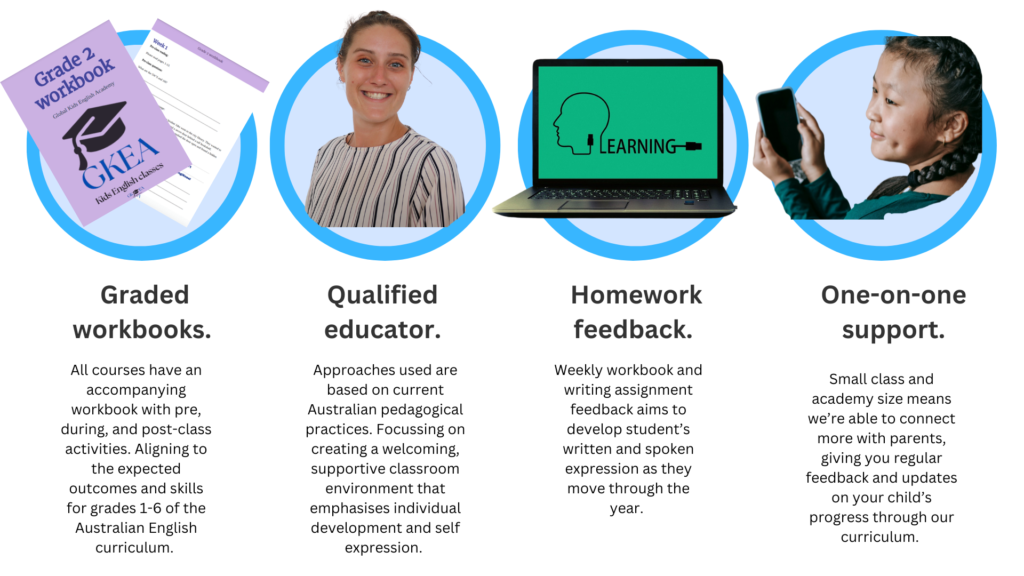
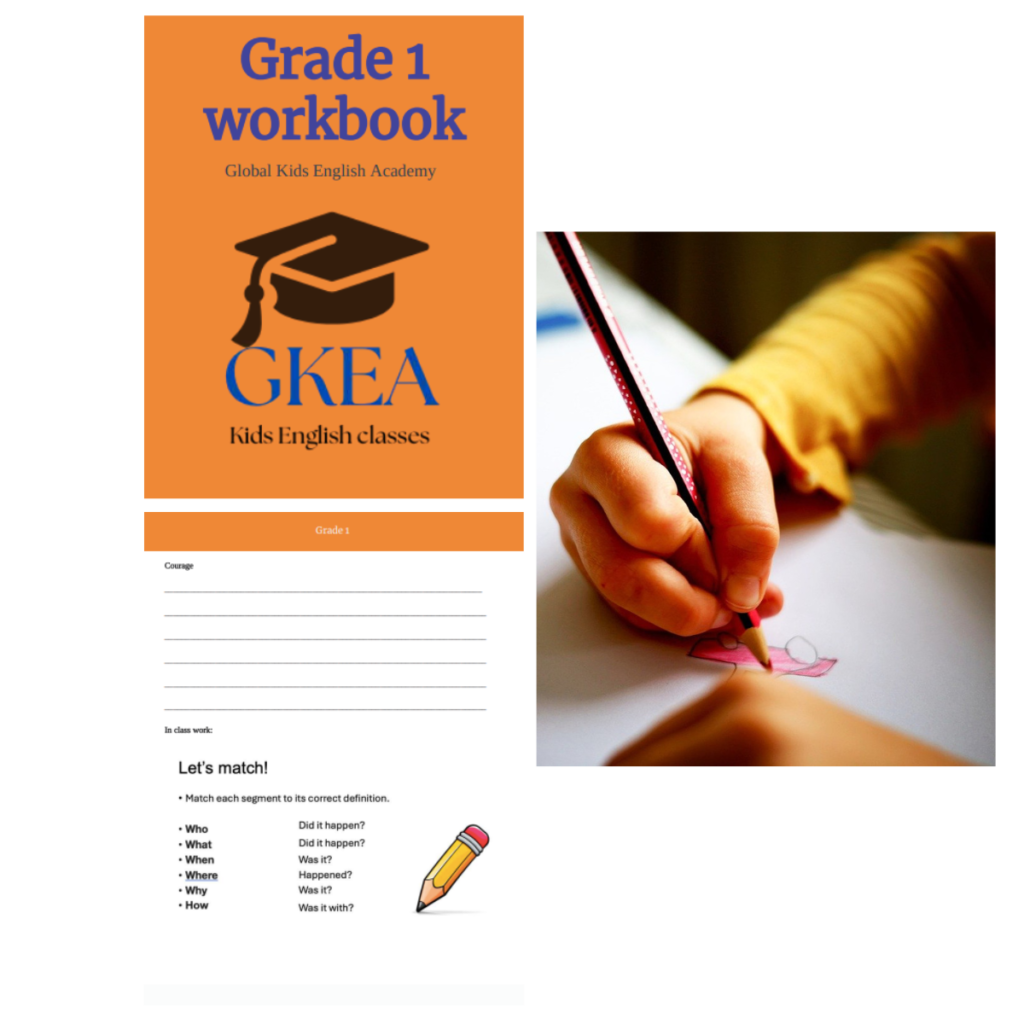
Grade 1
- Students build on the basics to become confident communicators, focussing on phonics and word recognition to read, spell, and decode new and common words.
- In writing, they start forming simple sentences and creating short narratives or informative pieces. They learn grammar, punctuation, and spelling rules. Speaking and listening are also key, with activities like retelling stories, class discussions, and learning to take turns and listen respectfully.
- By the end of Grade 1, students have a solid foundation in reading, writing, and oral communication.
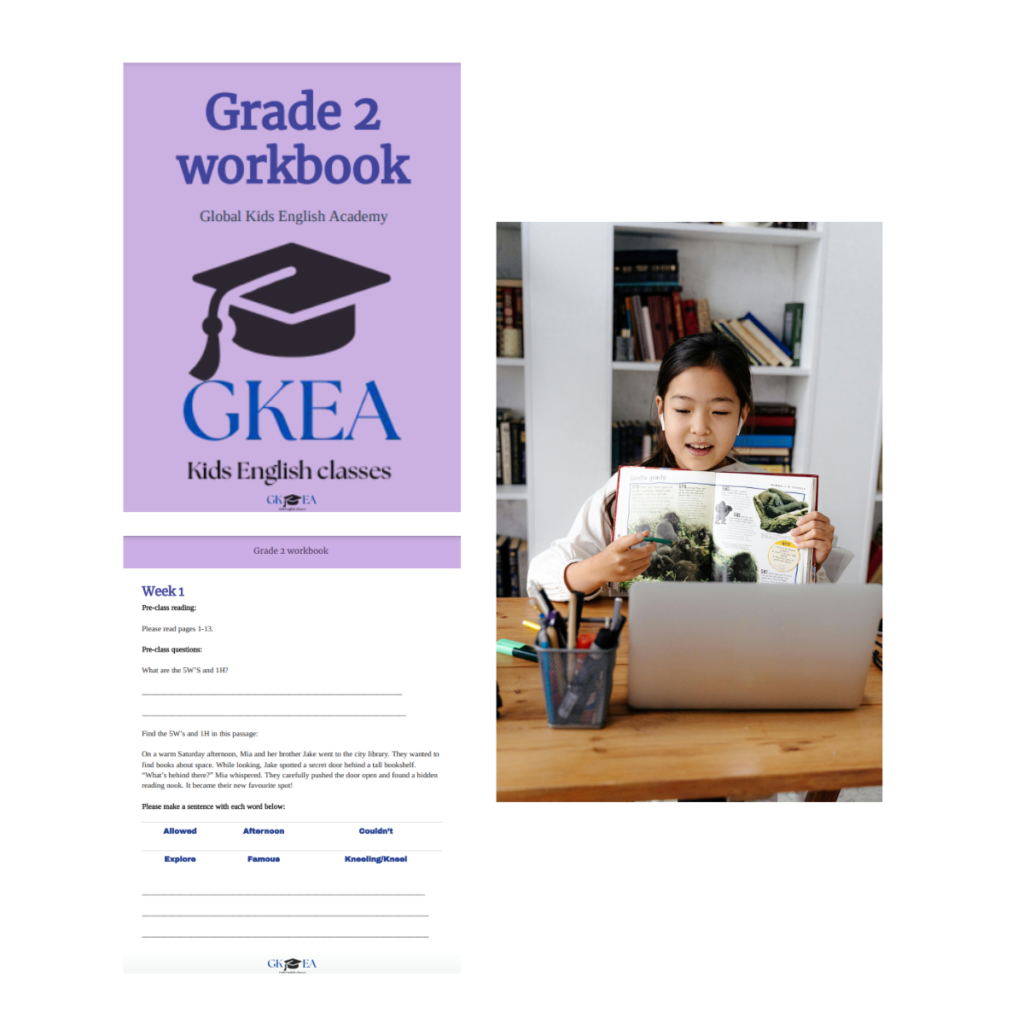
Grade 2
- Students continue building reading, writing, and communication skills. They engage with a variety of texts to sharpen their comprehension skills, identifying main ideas, sequencing events, and understanding both literal and inferred meanings.
- Oral communication is a big focus, with students sharing ideas in class discussions, learning to listen actively and respond thoughtfully.
- By the end of the year, they’re becoming confident readers and writers, ready to interpret meaning, reflect on what they read, and create strong written pieces!
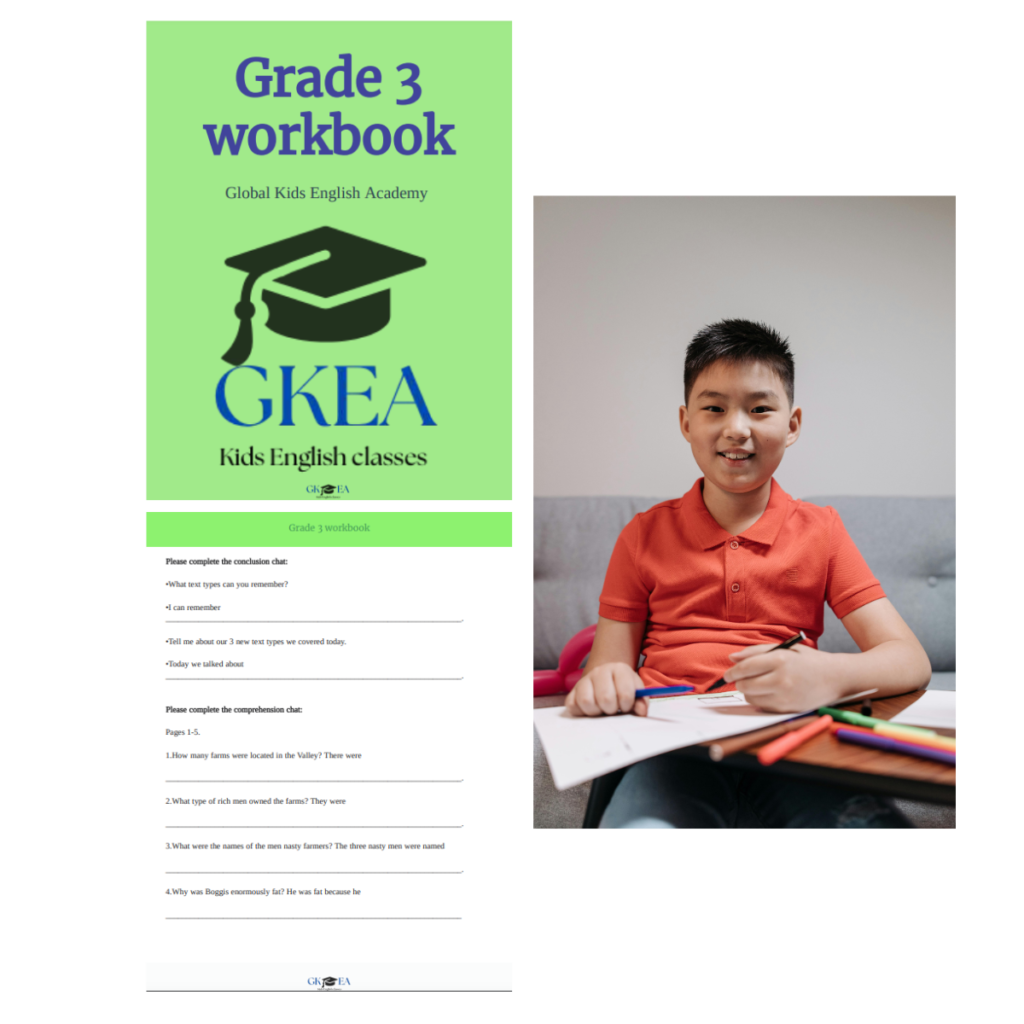
Grade 3
- Students explore more complex ideas. They analyse text structures, language features, and how authors shape meaning, while also practising prediction, inference, and forming opinions.
- Writing becomes more sophisticated as they plan, draft, and edit with greater independence, learning to use dialogue punctuation and varied sentence types.
- They continue practicing clearly expressing ideas and listening for key points. By the end of Grade 3, they’re independent readers and writers, ready for Grade 4!
Grade 5
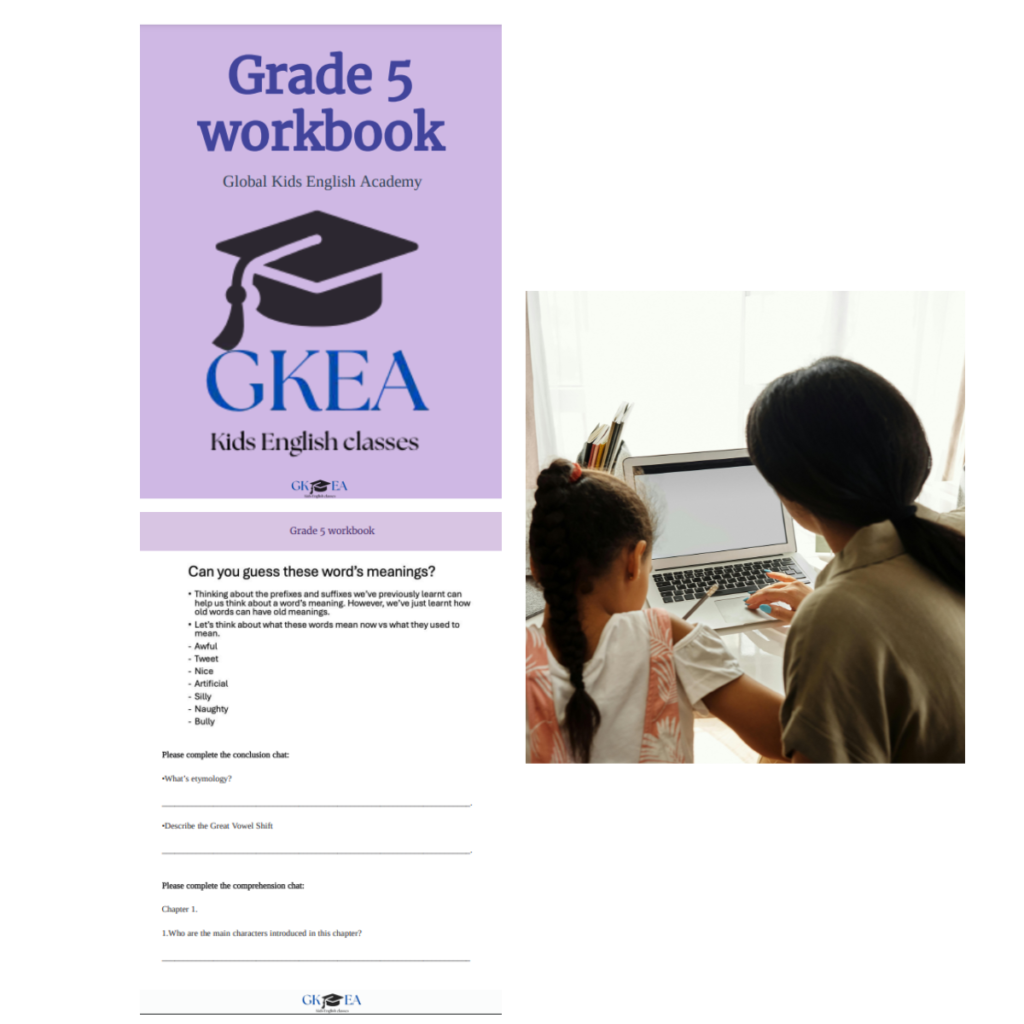
- Students explore how authors use text structures, imagery, and persuasive techniques.
- Writing focuses on creating well-structured, detailed texts for various purposes. Students learn to organise ideas using cohesive devices, varied sentence structures, and descriptive language.
- Students practise presenting logical arguments, supporting ideas with evidence.
- By the end of Grade 5, students analyse texts, write creatively and precisely, and express their ideas clearly.
Grade 6
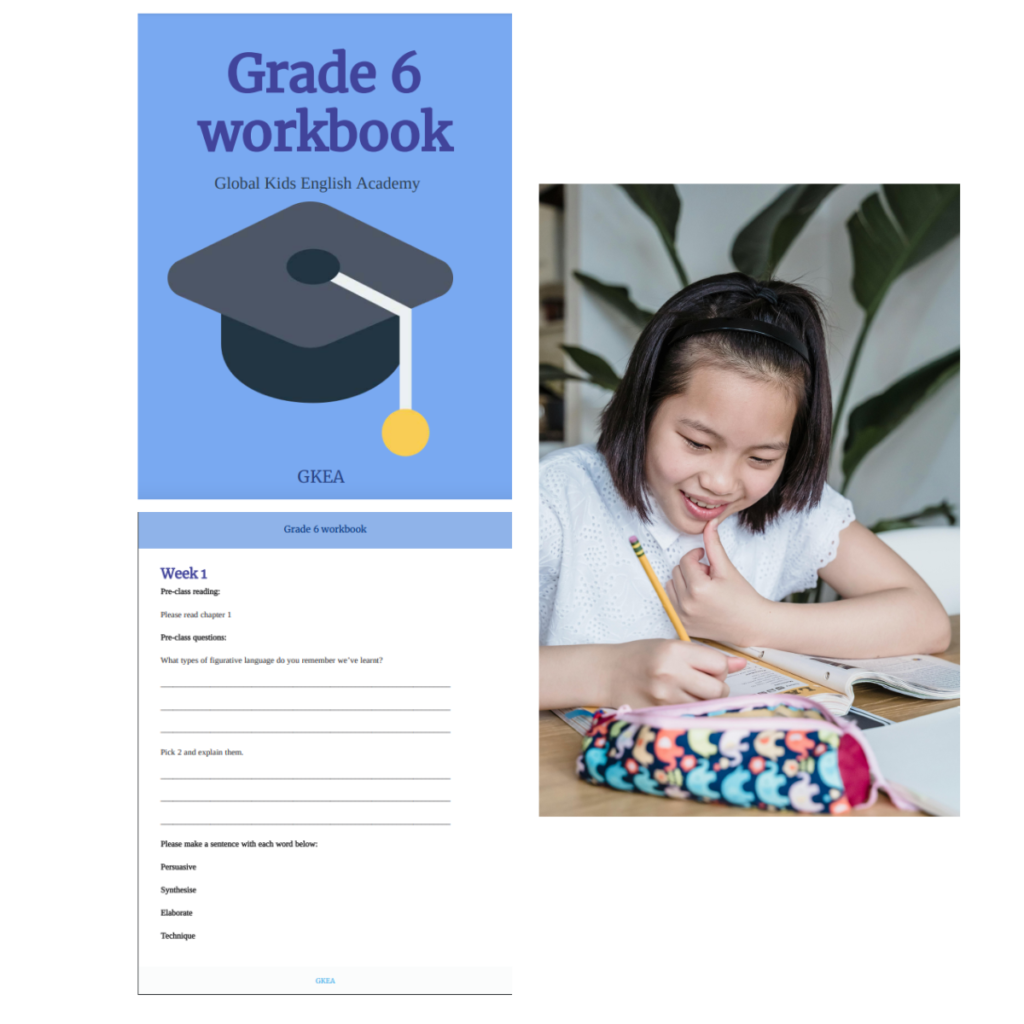
- Students refine their understanding of language features and conventions, developing skills in comprehension, critical thinking, and analysis.
- Students analyse themes, characters, and language devices like imagery, metaphor, and alliteration. Writing focusses on refining skills in persuasive essays, imaginative stories, and reports.
- Students confidently present their ideas in both oral and written forms, adapting their style and structure for different audiences and purposes.
FREE DOWNLOAD
Does this sound like the right academy for your child?
Click the download button below to get our free course guide outlining GKEA and our curriculum packages!

Find us on:
globalkidsenglishacademy@gmail.com